A Retro Self-Love SVG Bundle for Graphics & T-Shirt Designs
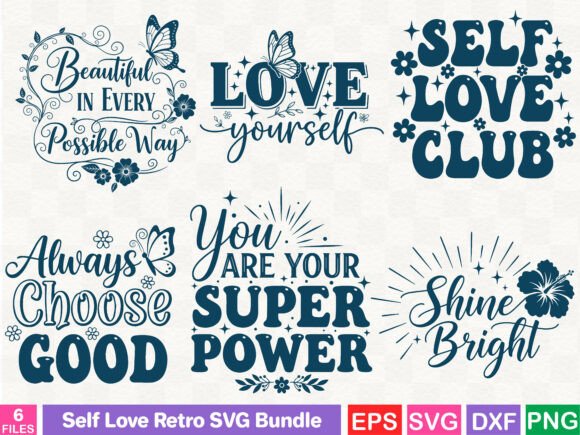
When I first opened the Self Love Retro SVG Bundle, my immediate impression was one of warmth. It’s not just a collection of graphics; it’s a distinct visual mood. The soft curves, playful typography, and vintage-inspired floral accents evoke a sense of nostalgic comfort and gentle affirmation. This isn’t sharp, corporate modernism. It’s a style that feels handmade, approachable, and deeply personal. For a designer reviewing assets for a real client, this bundle naturally fits projects centered on wellness, boutique product lines, creative marketplaces like Etsy, or any brand aiming for an authentic, heart-centered connection.
The First Impression: Setting a Visual Tone for Client Projects
Imagine you’re developing a visual concept for a small business launching a line of handmade ceramics or a local yoga studio planning a seasonal self-care campaign. The Self Love Retro SVG Bundle provides a ready-made aesthetic direction. Its elements—the gentle script, the organic illustrations—immediately establish a brand identity that feels curated and cohesive. For a client, this saves hours of preliminary style exploration. You can present these graphics as part of a full package: logo design ideas, marketing visuals for social media, and even packaging design details for product labels. The retro vibe lends itself to editorial design for blogs, printable wall art for a studio, or decorative accents on a website.
Where This Design Asset Excels in Professional Use
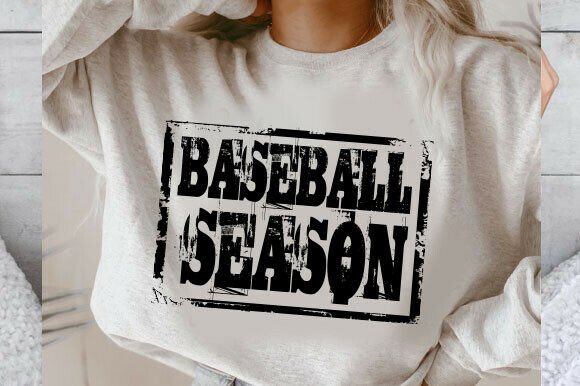
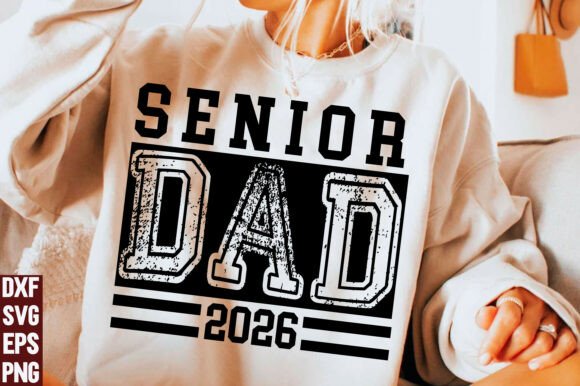
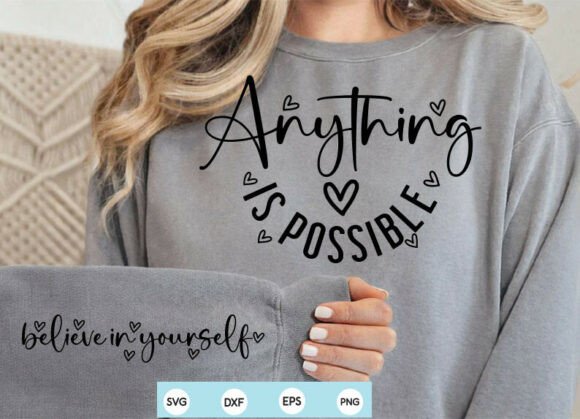
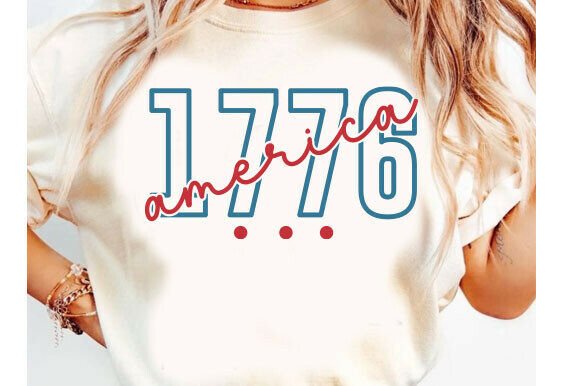
In practical application, this graphic design bundle performs strongly in several key areas. Its vector SVG format means scalability is flawless, making it ideal for large layout areas like posters or hero graphics on a website. For product mockups, it translates beautifully onto physical items. Think t-shirt designs, tote bags, and mugs—the sublimation design potential is clear. The bundle’s themed nature makes it perfect for building a complete campaign visual suite. You can use a main illustration for a Pinterest pin, adapt a floral element for an Instagram post, and employ the typography for a series of Canva templates or printable invitations.
Here are the specific project types where I’d confidently recommend it:
- Brand Identity for Handmade Businesses: Core logos, supporting brand elements, and product label graphics.
- Marketing Visuals & Social Media Graphics: Cohesive series of digital ads, blog visuals, and Instagram story templates.
- Printable & Merchandise Designs: Sticker designs, wall art, and Cricut projects for crafters.
- Print-on-Demand & Etsy Products: Ready-to-apply artwork for t-shirt design, mug making, and tote bags.
- Themed Campaigns: Visuals for a self-love workshop, a boutique product launch, or a seasonal event.
Practical Considerations and Designer Notes
As with any digital product intended for commercial design, a professional review involves testing. Before committing this asset to a client’s project, I run a series of checks. First, I test the graphics in black and white to ensure they retain their form and readability without color dependency. Contrast is crucial: I place elements on both light and dark backgrounds to verify they remain legible, especially the script portions. Previewing at small sizes is essential—while the bundle shines as a large decorative accent, some finer details may become less distinct in very small applications, like on a tiny product tag.
For digital sellers and content creators using these as commercial design assets, verifying the commercial license is a non-negotiable first step. Then, the technical review: inspecting the SVG files for clean, editable paths and checking PNG transparency if included. I always place the graphics onto real mockups—a t-shirt template, a mug, a website header—to see how they interact with other design elements. A quick test print confirms the print quality for physical products. Finally, I consider font pairing: how do these retro display font styles harmonize with a clean sans-serif for body text or a serif for more formal supplementary copy? This ensures visual hierarchy and brand consistency across all materials.
Strengths in Building Emotional Appeal & Engagement
The core strength of the Self Love Retro SVG Bundle is its emotional resonance. In a project for a client, using these graphics isn’t just about decoration; it’s about building visual trust and audience engagement. The style signals authenticity and care, which can elevate the perceived professionalism of a small business branding effort. When applied consistently across packaging design, website graphics, and merchandise, it creates a recognizable and comforting visual language. This directly supports the client’s message, making marketing visuals feel less like advertisements and more like invitations.
Limitations and Careful Application
No design asset is universally perfect. For this bundle, its ornate, retro character means it should be used carefully in certain contexts. It is not suited for minimalist branding or projects that require a very clean, stark visual hierarchy. In crowded layouts, the detailed illustrations might compete with other important information. I would avoid using it for professional corporate materials where a more neutral tone is required. On complex backgrounds, the softer elements could lose impact, so solid, contrasting backgrounds are ideal. Understanding these limitations is part of a designer’s job—it ensures the asset enhances the final result without undermining the project’s goals.
The Final Judgment: Is It Suitable for Your Client?
Reviewing the Self Love Retro SVG Bundle from a professional standpoint, its value is clear. It’s a versatile creative design toolkit that can accelerate and polish projects for specific client niches. Its mood is defined, its application wide-ranging for prints, posters, and many other tasks, as the description suggests. For designers, brand owners, and crafters working on projects that celebrate individuality, wellness, or handmade quality, this bundle offers a coherent aesthetic that feels both nostalgic and fresh. By following the practical checks—testing scalability, contrast, and licensing—you can confidently integrate it into a commercial project, knowing it will help the final design feel intentional, polished, and emotionally connected to its audience.