Testing a Rose SVG Bundle for Real-World Embroidery Projects
As someone who has designed and stitched hundreds of projects, I’ve learned that the true value of a digital embroidery file isn’t just in its preview, but in how it performs when you hit the start button on your machine. Today, I’m looking at the Rose SVG Bundle, a set from the Illustrations category, from the practical perspective of a working designer. The product description mentions versatility for prints and apparel, but my focus is narrower: how does this bundle translate from a Graphics file on a screen to thread on fabric?
The First Impression: A Design’s Mood and Where It Belongs
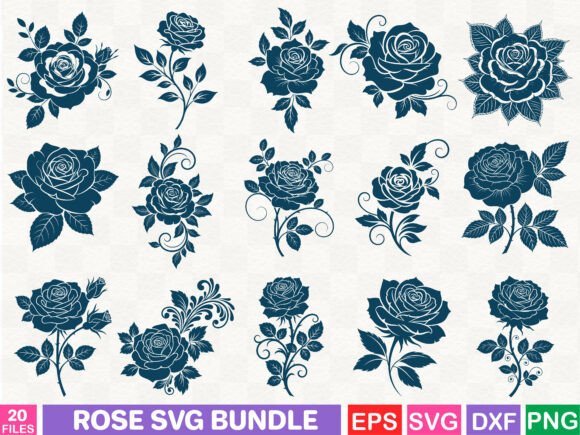
Opening the files, the immediate feeling is one of classic, romantic elegance. The rose motifs carry a soft, timeless personality—not overly modern or starkly minimalist. This is a design that speaks to sentiment. The shape and layout suggest it’s meant to be a focal point, not a tiny accent. The detail level appears balanced, with areas that would translate beautifully into satin stitch for petals and perhaps a fill stitch for leaves. It naturally belongs on projects where beauty is the primary goal: a custom embroidered tote bag for a gift, a centerpiece on a pillow cover, or a delicate addition to a kitchen towel for a boutique product line.
My Real-Life Scenario: A Custom Embroidered Sweatshirt
I’m imagining a client request for a personalized, high-quality sweatshirt. They want something feminine and lasting, not a trendy graphic that will fade next season. The Rose SVG Bundle comes to mind. The visual appeal here is about creating a piece that feels handmade and special, elevating a simple garment into a gift or a cherished personal item. In this scenario, stitching clarity is paramount; the design needs to read clearly as a rose from a distance, and the thread colors must have good contrast against the fabric to make the embroidery project pop. This directly affects product value and customer trust—a clean, professional stitch job using a strong design makes the entire handmade product feel more valuable.
Where This Design Performs Beautifully
This bundle would shine on stable, medium-weight fabrics where detail can be preserved. Think of:
- Custom apparel like sweatshirts, t-shirts, and aprons where the fabric isn’t overly stretchy.
- Tote bags and pillow covers, which offer a flat, forgiving surface.
- Baby clothes made from quilting cotton or similar stable materials for nursery decor.
- Embroidered patches that can be applied later, allowing for perfect hoop control.
- Holiday gifts and wedding gifts, like tea towels or blankets, where the theme of timeless beauty fits perfectly.
- For small business merchandise and Etsy listings, it creates a recognizable, cohesive look that can strengthen your brand’s visual identity.
Using it for printable mockups and digital product previews is also smart—it’s a design that conveys craftsmanship even in a preview image, aiding buyer engagement.
The Caution Zones: Where to Proceed with Care
No design is universally perfect. With a likely detailed machine embroidery design like this, you must consider its limitations for a successful finished product.
- Small hoop sizes could compress the details, losing the elegance.
- Textured fabrics like terry cloth or very thin fabric like lightweight linen might distort the finer elements.
- Stretchy fabric without proper stabilizer is a recipe for registration issues.
- Dark fabric requires careful thread color selection so the design doesn’t get lost.
- Curved surfaces like caps can be tricky; the design’s layout might not adapt well to the seam structure.
- If the design has any tiny lettering or detailed corners, those areas need extra attention during digitizing and stitching.
- For products that need frequent washing, like baby items, stitch density matters—too dense can make the fabric stiff and prone to wear.
The key is to match the design’s strengths to the project’s demands.
Professionalism and Giftability in the Stitch
When you choose a design for commercial embroidery or personalized gifts, you’re making a statement about your standards. A well-executed rose design speaks to care and attention. It feels like a deliberate choice, not a generic clip-art. This enhances brand consistency for a craft business and the handmade presentation for an Etsy seller. For the recipient, it increases the giftability—it looks like something made for them, not something mass-produced.
Practical Notes from the Hoop
Before you commit this Rose SVG Bundle to a final project, here’s my standard pre-flight checklist. These steps save time, materials, and client relationships.
- Test the design on scrap fabric first. Use the same material and weight as your final project. This reveals how the fabric texture interacts with the stitches.
- Check thread color contrast against both light and dark backgrounds. What looks good on screen may not stitch well.
- Review stitch density in the file preview. Are there areas that look overly dense? They might require adjustments for comfort on wearables.
- Confirm hoop size. Ensure your physical hoop can accommodate the design’s dimensions for clean stitching.
- Inspect small details. Zoom in on the file. Are there any hairline details or very small elements that might vanish or break into a messy running stitch?
- Test it in black and white mockups. This helps visualize the design’s form without color, ensuring the shape itself is strong.
- Use proper stabilizer. Never skip this step for wearables or unstable fabrics. It’s the foundation of your stitch quality.
- Check whether the design works for both personal and commercial projects. The product description mentions versatility, but you must confirm licensing before selling finished items or digital products. This is crucial for digital embroidery file use in a craft business.
Ultimately, the Rose SVG Bundle presents itself as a classic, emotive design asset. Its real worth will be determined by how thoughtfully you pair it with the right fabric, the right project, and the right preparation. In the hands of a mindful maker, it has the potential to become a repeat favorite in your design library, turning simple materials into meaningful, stitched art.